Portfolio wetenschaps- en techniekjournalistiek

ERTMS, een never ending story

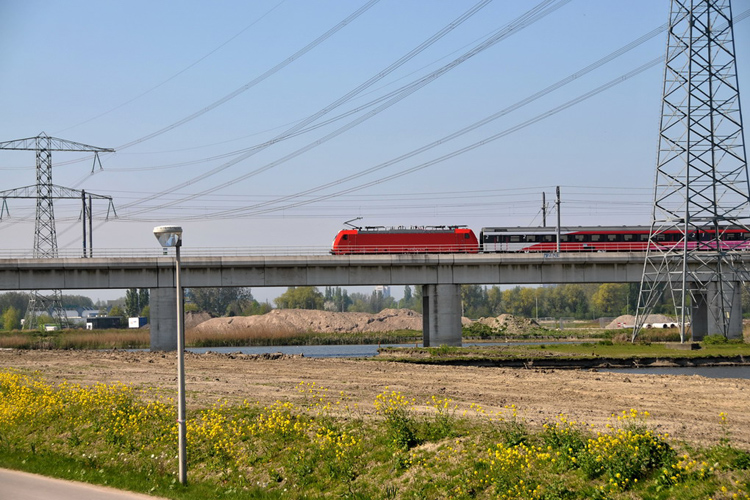
In de Rijksbegroting van 2016 stond nog ferm dat Nederland dit jaar zou beginnen met de invoering van railbeveiligingssysteem ERTMS. Twee maanden later stond het besluit alweer op losse schroeven. Niet dit jaar, maar ooit wel eens, bezwoer staatssecretaris Sharon Dijksma. Het is het zoveelste uitstel in een lange reeks. Wat is er toch zo moeilijk aan?

Natuurlijk is de invoering van ERTMS (European Rail Traffic Management System) technisch complex. Dat begint er al mee dat het niet één standaard is, maar een verzameling van standaarden, die verschillende varianten kennen. De interpretatieruimte binnen de varianten maakt dat het eindresultaat per leverancier verschilt. Een aantal Nederlandse trajecten (Amsterdam-Utrecht, HSL-Zuid, Hanzelijn en het A15-tracé van de Betuweroute) is inmiddels met ERTMS uitgerust, mar dat betekent niet dat ze hetzelfde zijn.

Lees verder ERTMS, een never ending story

Internet vergroot de ongelijkheid

Meer mensen op de wereld hebben een mobieltje dan toegang tot drinkwater, laat staan tot een toilet. In die zin kun je de digitale revolutie dus zeker een succes noemen. Er zijn ook legio voorbeelden te geven van mensen die zich dankzij internet aan de armoede hebben kunnen ontworstelen, bijvoorbeeld omdat ze op afstand de prijzen van gewassen kunnen bijhouden en op grond daarvan betere beslissingen nemen wat te verbouwen of wanneer te oogsten.

Maar, zo vroeg de Wereldbank zich af, als je er van een afstandje naar kijkt, los van de individuele successen, zijn samenlevingen als geheel er wat mee opgeschoten? En dan blijkt er nogal wat af te dingen op het succes, stelt een lijvig rapport, Digital Dividends, dat onlangs verscheen.

Lees verder Internet vergroot de ongelijkheid

Engelstalige brochure voor Universiteit Twente

De Faculty of Behavioural, Management and Social sciences (BMS) van de Universiteit Twente brengt jaarlijks brochures uit met de highlights van het onderzoek van het jaar ervoor. Omdat een groot deel van de relaties engelstalig is, gebeurt dat in het Engels. Dus schreef ik de teksten direct in die taal, want dat scheelt vertaalkosten. Enkele voorbeelden:

Preventing legal gridlock

Disruptive innovations not only change the shape of technology and markets, but often pose legal challenges as well. Building your own electricity grid or flying with a drone in your backyard, for instance, may land you in legal troubles, because lawmakers did not foresee the possibilities created by new technologies. Therefore, to prevent the law from hampering innovation, and indeed to make law facilitate innovation, it is essential to timely investigate legal consequences of technological development.

Almost a century ago a dentist in The Hague used a knitting needle to stop his electricity meter monitoring his power consumption. The public prosecutor then charged him with theft. At the time, however, theft was defined as ‘taking away a good’ and it was unclear whether electricity was something that could be taken away. The Supreme Court decided that, since electricity had economical value, it should at least be treated as a good.

Lees verder Preventing legal gridlock

Checking out the crowd

In places where large groups of people gather, be it for a music event or a football match, there are always risks that things get out of hand, potentially with lethal consequences. Behavioural sciences and technology meet to devise new methods of crowd control – though technological innovations may also make this task more difficult.

‘In the Netherlands there is a lot of expertise on crowd control, for instance with event organisers, the police and local authorities’, says assistant professor Peter de Vries, who studies the behaviour of large groups and methods to influence them. ‘Keeping large crowds in check is important in order to prevent calamities. Professionals use many channels to communicate with crowds, both verbal and non-verbal.’

Lees verder Checking out the crowd

The future in science

Of course, scientists know the applications they work on will have an impact on society. Actually, this is often what drives them. That doesn’t necessarily mean they have a concrete view of this impact, as it is fairly remote from their daily routines. Even so, developing impact scenarios at an early stage could have significant benefits.

Suppose you are a PhD-student working on a new application of certain nanoparticles. Naturally, your first priority will be to get the technology working. After all, this is largely what your thesis will be evaluated on. There is no immediate scientific need to consider the risk your nanoparticles might pose once released into the environment. This will depend on the eventual business model – and that is not your most pressing interest as an up and coming scientist either.

Lees verder The future in science

Arising water questions

After some serious high water events the Dutch government set up a programme to improve the flood safety along its rivers. Now the measures are being implemented, it is time to monitor the effects and see if additional policy adjustments are needed.

In 1993 and 1995 high water in its rivers threatened significant portions of The Netherlands. This served as a wakeup call for policy makers, that flooding risks not only were posed by the sea. Because there were too much objections against raising the dikes along the rivers, another policy was adopted. Land was reserved for future flooding areas, while at the same time the rivers’ capacity to convey water had to be increased.

The policy is visibly affecting Dutch landscape. For instance, the design of groynes (dams perpendicular to the water flow) has changed, which benefits the shipping industry during periods of low discharge, but also affects the ‘look and feel’ of the river. Side channels have been dug, floodplains redesigned. Naturally, such developments have ecological consequences as well.

Lees verder Arising water questions

Working out better e-health

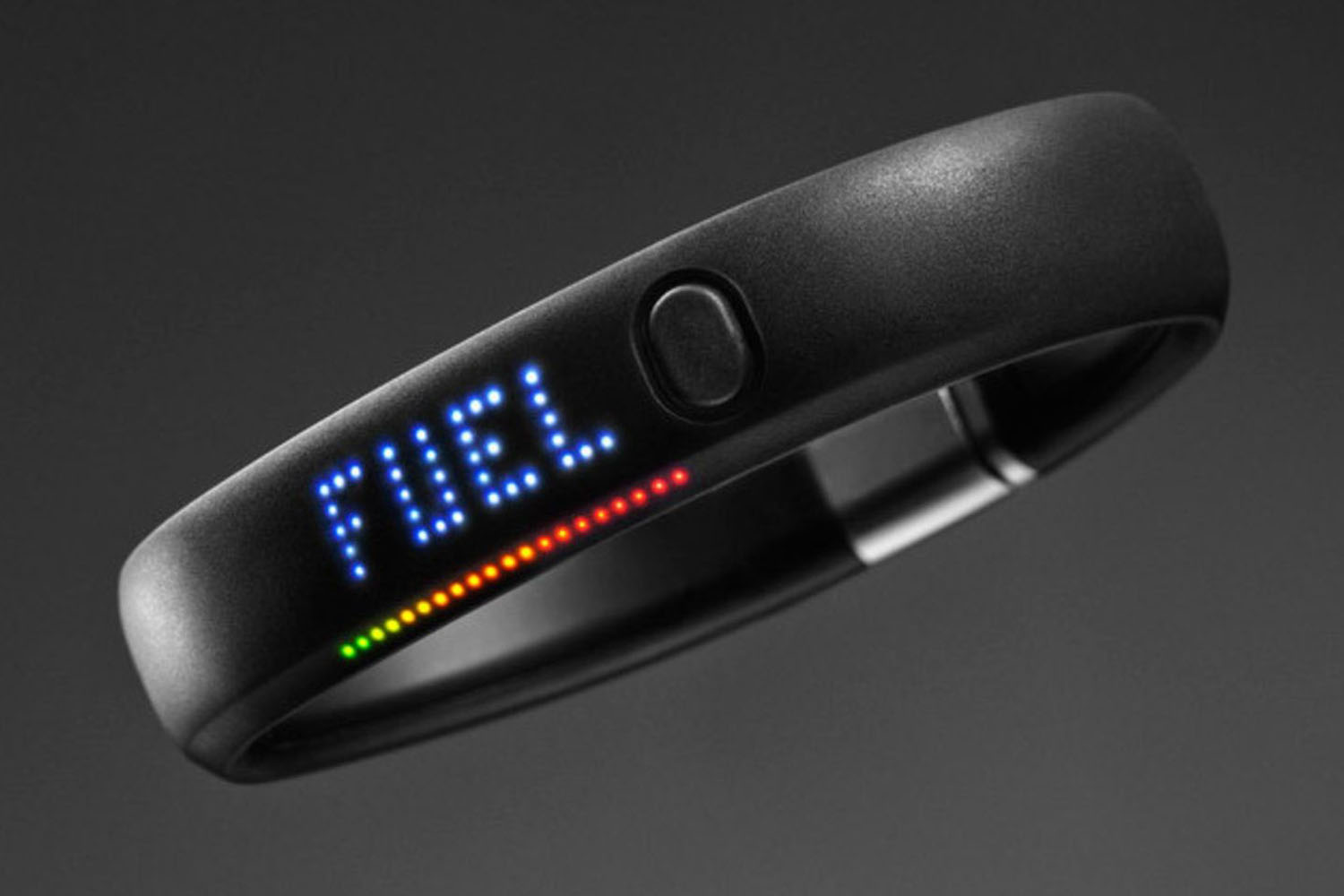
More and more people are using e-health applications, varying from websites to wearable wristbands. The enormous amount of data gathered with these applications has the potential to not only change individual health and behaviour, but also the way health care in general is organized. Postdoc researcher Liseth Tjin-Kam-Jet – Siemons and PhD-student Floor Sieverink run a project that aims to chart this potential.

‘Take, for instance, one of the wristbands now available’, says Floor Sieverink. ‘It will gather data on your movements, your heartbeat, blood pressure and sleeping pattern. You may have an app that records your eating habits and your weight. That’s a lot of data. You may simply present the results to the user, but it’s also possible to give advice, like: this week you haven’t been exercising as much as usual, shouldn’t you go out for a walk? It may, based on all these factors, even be able to predict that you are at the point of falling ill.’

Lees verder Working out better e-health

Brains for voting

Elections are supposed to be about asking citizens which policies they want. In practice many more factors play a significant role, not least emotional ones. By peering into the brain of voters their behaviour might become more transparent – for voters themselves as well as for the parties who court them.

It is a well-researched phenomenon that consumers will buy more products if they are led through a supermarket counter clockwise. Marketing experts know many more tricks to persuade consumers to buy things. Yet, if a researcher would give consumers a questionnaire about their shopping decisions, few of them would state that they were motivated by the lighting or their route through the shop. Of course, their main motivation is that they need certain products. Nevertheless the influence of unconscious incentives is significant in making them part with their money.

Lees verder Brains for voting

Business as unusual

Finding the right business model is never easy, especially not for young companies. After all, there are so many factors that determine whether a new product or service will succeed. Yet it may be possible to identify success factors, which reduces the uncertainties for companies and their stakeholders, such as governments that want to stimulate innovations.

The actual environments that new companies operate in are often enough quite different from what they imagined. They even may change as the company enters the market. One company that researcher Kasia Zalewska-Kurek recently spoke to started by renting out devices with a touring app for hiking and cycling enthusiasts. Its business model was challenged when smartphones became widely available. People no longer required a dedicated device, just the app. Smartphones usually have GPS on board, which changes the way tours can be offered. The company found their customer base shifted from dedicated enthusiasts to families, and that there was a demand to provide information about hotel services with the app. By adapting the company survived.

Lees verder Business as unusual